
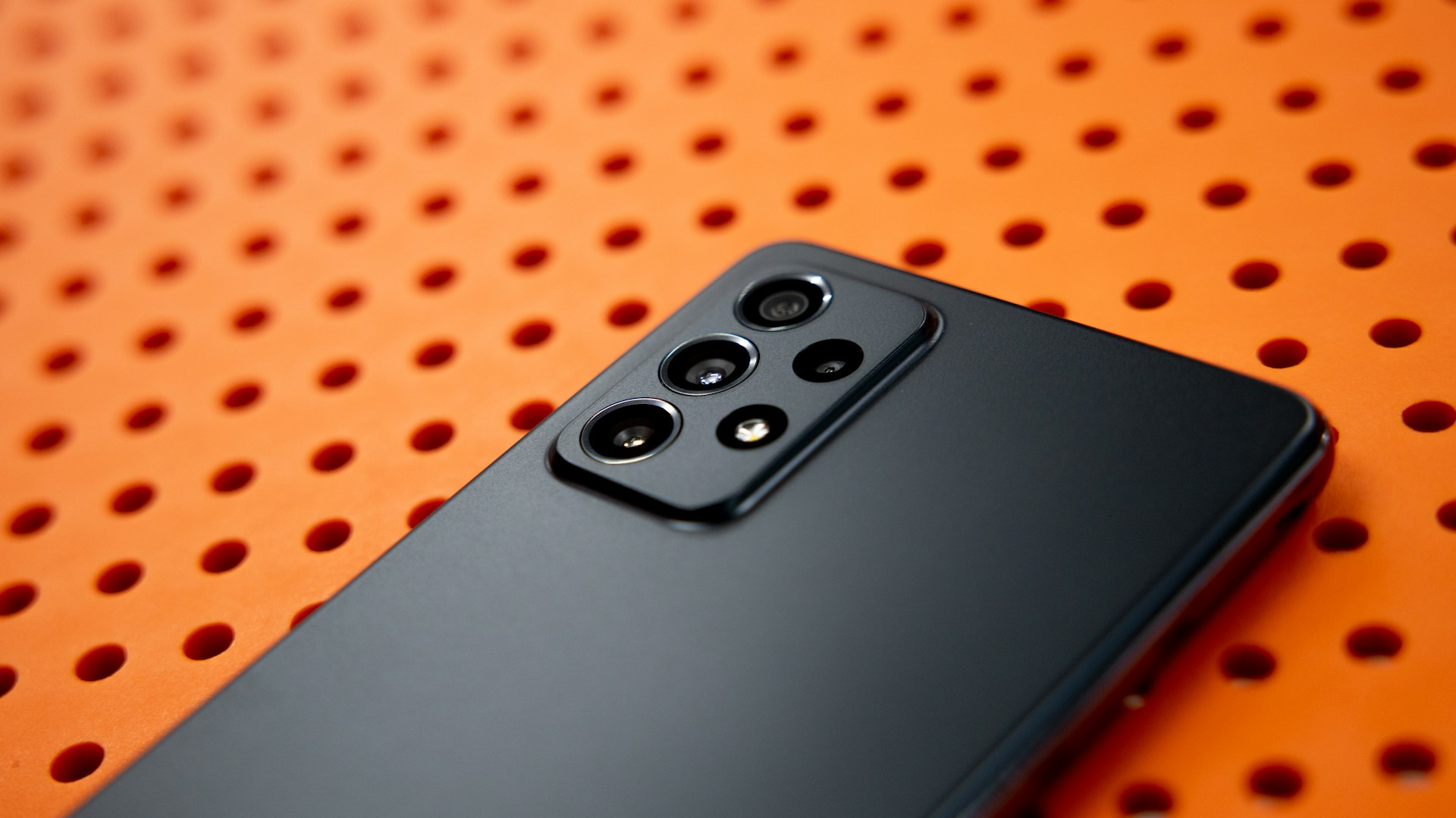
The Galaxy S24 FE is making some serious waves, stepping up as a much stronger contender than previous Fan Edition releases. It packs a surprising number of premium features straight from the flagship Galaxy S24 while trimming the retail price by about $150. While the standard S24 holds onto its crown as the ultimate compact device boasting a brighter display and a slight edge in camera performance, the FE model delivers massive value. You get nearly identical processing power, design language, and core functionality without footing a flagship bill.
A Shift in Form Factor This year, Samsung completely revamped the aesthetic of its top-tier lineup. The designers adopted a boxy silhouette with flat sides and subtly curved edges. Naturally, this fresh design DNA trickled down to the Fan Edition, a device historically positioned as a more accessible entry point to high-end hardware. But here is the kicker: the S24 FE actually shares more physical DNA with the Galaxy S24 Plus than the base model.
If the standard S24 is arguably the market’s premier compact phone, the FE is a bonafide phablet that demands two-handed operation. We are looking at a footprint of 6.38 by 3.04 by 0.31 inches for the FE, dwarfing the standard model’s 5.79 by 2.78 by 0.30 inches. It also tips the scales at a hefty 7.51 ounces compared to the S24’s featherweight 5.89 ounces. For buyers cross-shopping these two, those dimensions alone often serve as the ultimate deciding factor.
Hardware Trade-Offs and Ecosystem Marketing Stepping up to the larger screen and bumped-up battery capacity of the S24 FE means accepting a few minor hardware compromises. The display does not get quite as blindingly bright, and you swap an ultrasonic fingerprint scanner for an optical sensor. For the vast majority of users, these tweaks are virtually invisible in daily operation.
However, Samsung’s marketing strategy clearly separates the tiers through its color palettes. The flagship S24 boasts a sprawling selection including Onyx Black, Marble Grey, Cobalt Violet, Amber Yellow, Jade Green, Sandstone Orange, and Sapphire Blue. The FE strips this down to a streamlined roster of Blue, Graphite, Gray, Mint, and Yellow. Both models embrace a minimalist unboxing experience. You pull out the device and a USB-C charging cable, and that is it.
Targeting Upgrades with Digital Campaigns Looking ahead at the brand’s broader market presence, promotional e-commerce campaigns are already driving engagement for upcoming iterations. Targeted digital coupons are currently offering a 10 percent discount on the Galaxy S26 series through April 8. This kind of strategic price adjustment on premium Android hardware—devices known for robust processors and high-end displays—demonstrates exactly how tech brands utilize online promo codes to accelerate user upgrades.
This aggressive push for digital checkout conversions extends well beyond mobile hardware into the smart home sector. Shark, a brand that has built serious credibility in automated household tech, is currently running a digital campaign offering eight percent off almost its entire online catalog. It is a prime example of leveraging e-commerce incentives to move robotic vacuums and cordless floor cleaners.
Expanding the E-Commerce Strategy Online promotional strategies are aggressively targeting lifestyle and digital booking platforms, proving that digital storefronts are optimizing for high-ticket conversions across all sectors. Travel aggregators like Weloveholidays are pushing exclusive 150-euro promotional codes for digital bookings exceeding 1,500 euros, valid through December 31, 2026. Meanwhile, Iberostar is leveraging its own booking engine to offer up to 15 percent off hotel stays lasting at least two nights. Users just have to finalize the transaction by the end of May 2026 and complete the stay by year-end, though the algorithm excludes properties in Brazil and blocks the stacking of partner or Black Friday deals.
Retailers are deploying similar digital marketing tactics everywhere you look. Juwelier Prediger is currently routing traffic with 50-euro digital vouchers for luxury watches and accessories, while iconic apparel brands like Levi’s are utilizing the exact same timeframe to push a 20 percent sitewide discount on full-priced inventory until April 5.
The Tech Powering the Market Navigating this massive volume of online retail campaigns ultimately requires utilizing the right digital infrastructure. Before finalizing any online cart—whether you are grabbing the latest smartphone or upgrading smart home hardware—leveraging comparison search engines is crucial. Platforms like idealo.de, billiger.de, check24.de, and geizhals.de act as massive data aggregators.
Daniel Pöhler, an editor at the consumer portal Finanztip, explains the mechanics behind this. These comparison portals are essentially highly specialized search engines plugged into massive databases. You simply type in a specific piece of hardware, and the platform instantly pulls and aggregates pricing data across multiple digital storefronts. The algorithm does the heavy data lifting, ensuring consumers navigate the e-commerce landscape efficiently.