
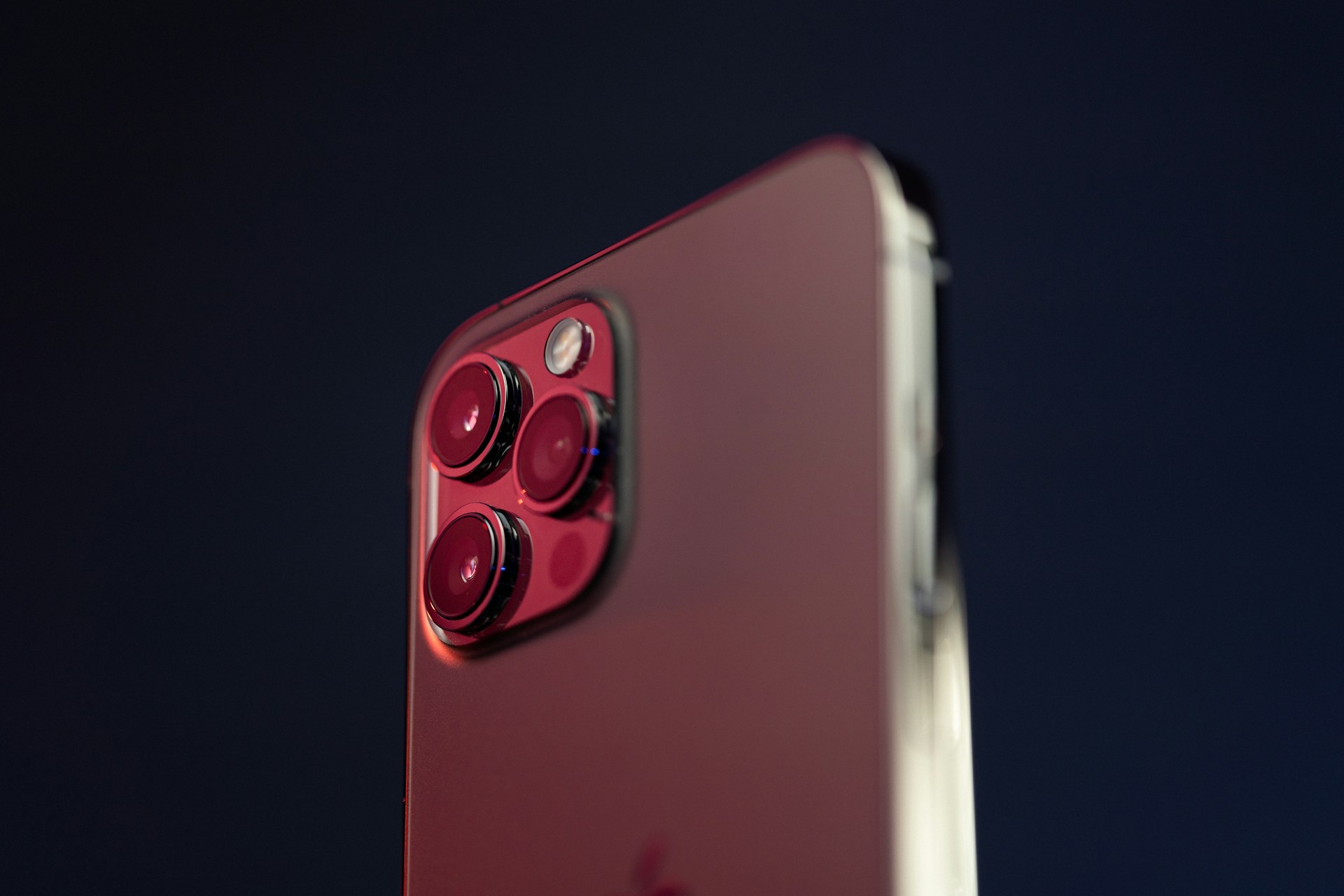
Apple is apparently done playing catch-up in the foldable market, and they’re throwing the kitchen sink at the problem. Word on the street is that Cupertino is prepping a foldable iPhone Ultra that finally ditches the one thing everyone hates about folding phones: the crease. We’re talking a dead-flat, visually crease-free display right down the middle, even after you’ve snapped the device open and shut thousands of times. The internal mandate seems to have been fixing this glaring design flaw regardless of cost. Leaks from the Asian supply chain indicate they’ve actually nailed it, pushing the crease depth under 0.15 millimeters and keeping the angle tight at less than 2.5 degrees. It’s a massive flex that breaks away from the deep, distracting gutters you see on current competitor devices.
To pull off this near-perfect panel, Apple engineers are leaning into a dual-layer ultra-thin glass structure. Picture the OLED panel sandwiched between two incredibly thin sheets of UTG (ultra-thin glass) or flexible UFG. Spreading out the mechanical stress like this keeps the bending from wearing out a single, focused strip of the display. But the real secret sauce here is a smart, optically clear adhesive binding the whole sandwich together. This transparent glue doesn’t just keep the layers perfectly aligned; it essentially acts as a microscopic filler for any irregularities that would otherwise catch the light and show a crease. And this isn’t just a one-off party trick for the iPhone Ultra—reports suggest Apple is already porting this crease-free hinge and display architecture over to a high-end foldable iPad.
But cutting-edge hardware doesn’t mean much without the software to make it sing. Right on cue, Apple is overhauling its ecosystem with iOS 27, weaving Apple Intelligence deep into the system to totally rethink accessibility. Imagine unfolding that massive, seamless screen and having the operating system automatically generate highly accurate captions for literally any video in your camera roll.
While the internet has plenty of auto-captioning tools for web content, offline support for home movies or random clips your family texts you has been practically non-existent. Apple Intelligence is stepping in to bridge that gap. The on-device speech recognition will chew through spoken audio and spit out real-time captions overlaid directly onto your un-subtitled personal videos. This is a game-changer for the deaf and hard-of-hearing community, though honestly, it’s a feature practically everyone will end up using. You’ll be able to tweak how the captions look straight from the playback menu or system settings, and Apple isn’t walling this off on the iPhone. These AI-generated captions are slated to hit the iPad, Mac, Apple TV, and even the Vision Pro.
Beyond just transcribing text, Apple’s AI is aiming to genuinely understand visual context, supercharging existing tools like VoiceOver and Magnifier for blind and low-vision users. The image explorer in VoiceOver is getting a massive IQ bump, allowing it to leverage Apple Intelligence to spit out incredibly granular descriptions of basically anything on your screen—whether that’s a tiny detail in a photograph or the complex layout of a scanned PDF. Live Recognition is getting the exact same treatment, letting VoiceOver analyze whatever your camera is pointed at to paint a highly detailed, real-time picture of your surroundings straight from the viewfinder.