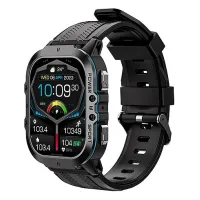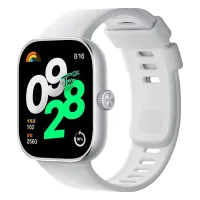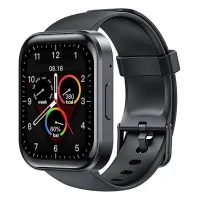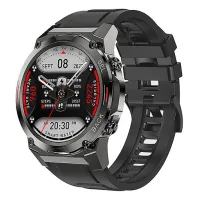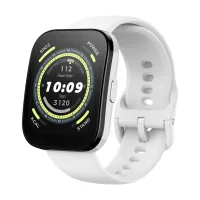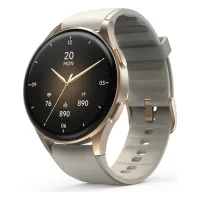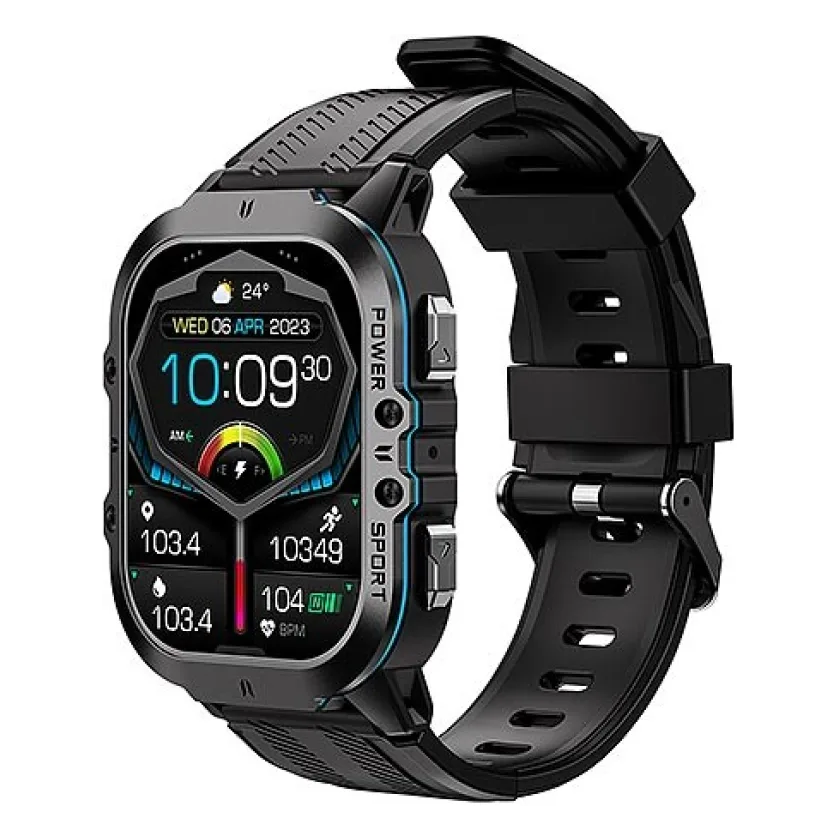
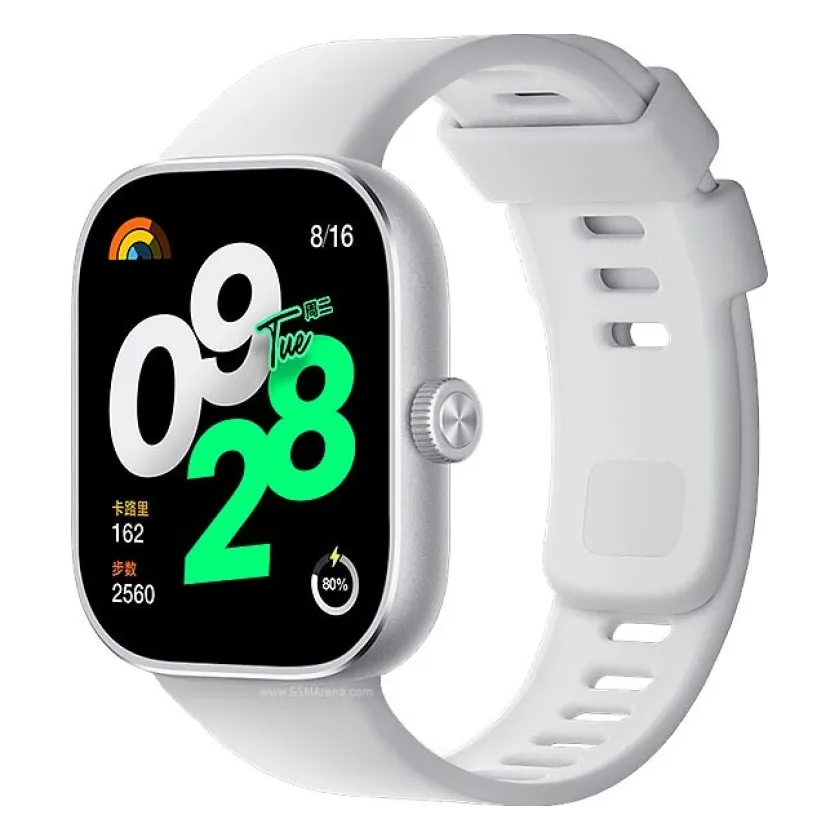
vs
9.8Display5.0
5.0Health tracking5.0
3.9Smart features6.5
5.1Build & durability8.2
Why is BT20 better than Redmi Watch 4?
- Pixel density331 ppi vs 302 ppi+10%
- Resolution (width)410 px vs 390 px+5%
Why is Redmi Watch 4 better than BT20?
- Built-in GPSNo · BT20: Yes
- NFC paymentsNo · BT20: Yes
- Battery capacity350 mAh vs 470 mAh+34%
Specifications
Side by side
| Design & durability | ||
| Case size | — | 48 mm |
| Weight | — | 31.5 g |
| Thickness | — | 10.5 mm |
| Height | — | 47.6 mm |
| Width | — | 41.1 mm |
| Case material | — | Aluminium |
| Strap material | — | TPU |
| Water resistance | 5 ATM | 5 ATM |
| Ingress protection | IP68 | — |
| Water resistance (IPx) | IPx8 | — |
| Water rating (maker) | — | 50 m / 5 bar / 5 ATM |
| Military-grade (MIL-STD-810) | Yes | — |
| Colours | Black | Black, White |
| Display | ||
| Screen size | 1.96″ | 1.97″ |
| Display technology | AMOLED | AMOLED |
| Panel | AMOLED | AMOLED |
| AMOLED / OLED display | Yes | Yes |
| Touchscreen | — | Yes |
| Resolution (width) | 410 px | 390 px |
| Resolution (height) | 502 px | 450 px |
| Pixel density | 331 ppi | 302 ppi |
| Peak brightness | — | 600 nits |
| Refresh rate | 60 Hz | 60 Hz |
| Battery | ||
| Battery life (smartwatch mode) | — | 20 days |
| Battery capacity | 350 mAh | 470 mAh |
| Battery type | Li-Ion | Li-Po |
| Health sensors | ||
| Optical heart rate | Yes | Yes |
| Blood oxygen (SpO2) | Yes | Yes |
| Sleep tracking | — | Yes |
| Sensors | Accelerometer, heart rate, SpO2 | Accelerometer, heart rate, compass, gyro, SpO2 |
| Sports & navigation | ||
| Built-in GPS | No | Yes |
| Satellite systems | — | GLONASS, GALILEO, BDS, QZSS |
| Compass | — | Yes |
| Connectivity | ||
| NFC payments | No | Yes |
| LTE (cellular) | No | No |
| eSIM | No | No |
| Bluetooth | 5.2 | 5.3 |
| Smart features | ||
| Speaker | Yes | Yes |
| Storage | — | 16 GB |
| Platform | ||
| Operating system | Proprietary OS | HyperOS |
| Platform | Proprietary | Proprietary |
| Works with | — | iOS, Android |