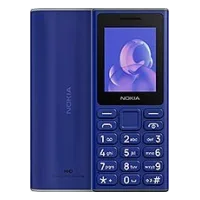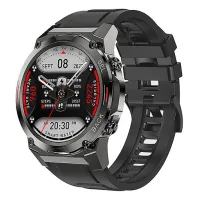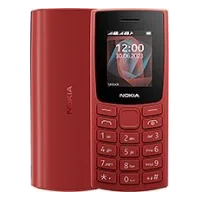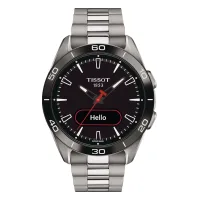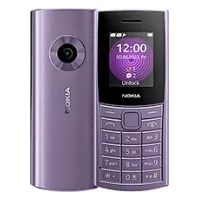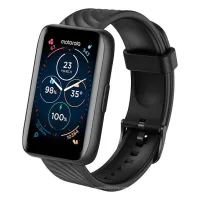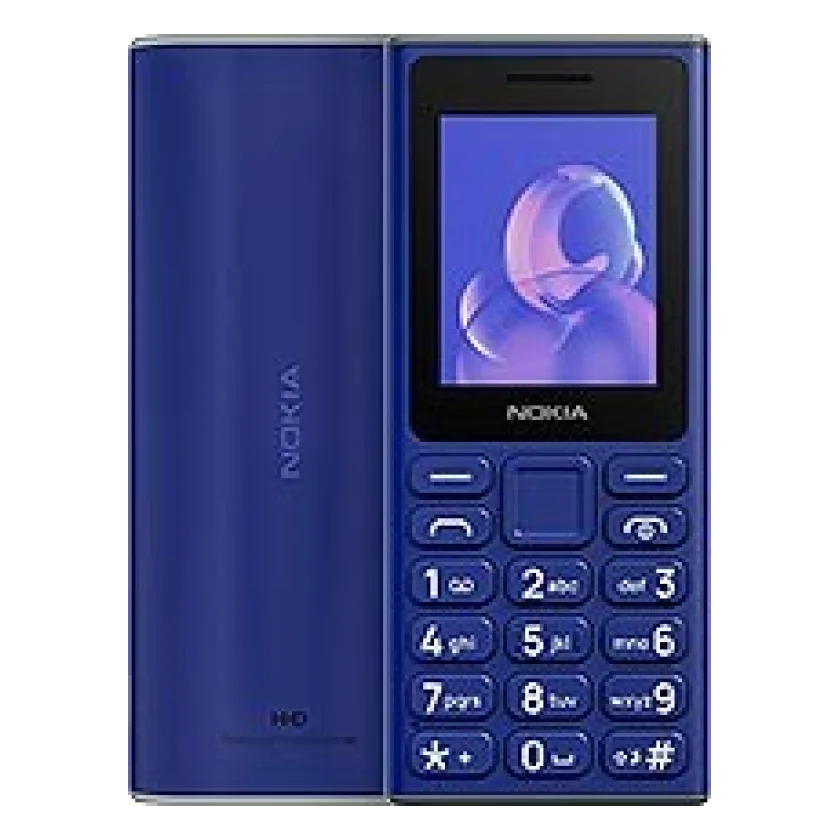
vs
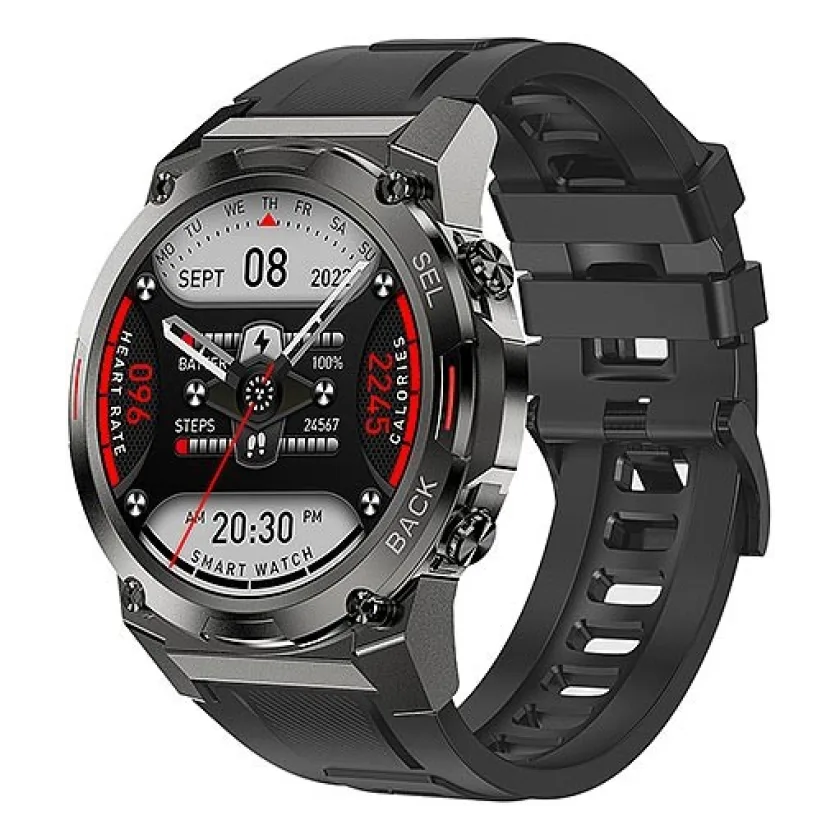
3.8Display4.6
3.9Smart features3.9
Dimensions
Size comparison
105 (2024)BT50
| 105 (2024) | BT50 | Difference | |
|---|---|---|---|
| Height | 115.5 mm | 51.2 mm | +64.3 mm |
| Width | 49.5 mm | 51.2 mm | −1.7 mm |
| Thickness | 14 mm | 13 mm | +1 mm |
| Weight | 78 g | 76 g | +2 g |
Drawn to the same scale from the official dimensions (front and side).
Why is 105 (2024) better than BT50?
- Battery capacity1,000 mAh vs 400 mAh2.5×
- Screen size2″ vs 1.43″+40%
Why is BT50 better than 105 (2024)?
- AMOLED / OLED displayNo · 105 (2024): Yes
- Resolution (width)120 px vs 466 px3.9×
- Pixel density100 ppi vs 326 ppi3.3×
- Thickness14 mm vs 13 mm+8%
Specifications
Side by side
| Design & durability | ||
| Case size | — | 51 mm |
| Weight | 77.5 g | 76 g |
| Thickness | 14 mm | 13 mm |
| Height | 115.5 mm | 51.2 mm |
| Width | 49.5 mm | 51.2 mm |
| Water resistance | — | 1 ATM |
| Ingress protection | — | IP68 |
| Water resistance (IPx) | — | IPx8 |
| Colours | Black, Blue, Purple | Silver, Gray |
| Display | ||
| Screen size | 2″ | 1.43″ |
| Display technology | LCD | AMOLED |
| Panel | TFT LCD | AMOLED |
| AMOLED / OLED display | No | Yes |
| Resolution (width) | 120 px | 466 px |
| Resolution (height) | 160 px | 466 px |
| Pixel density | 100 ppi | 326 ppi |
| Peak brightness | — | 600 nits |
| Refresh rate | 60 Hz | 60 Hz |
| Battery | ||
| Battery capacity | 1,000 mAh | 400 mAh |
| Battery type | — | Li-Po |
| Health sensors | ||
| Optical heart rate | — | Yes |
| Blood oxygen (SpO2) | — | Yes |
| Sensors | — | Accelerometer, heart rate, SpO2 |
| Sports & navigation | ||
| Built-in GPS | No | No |
| Connectivity | ||
| NFC payments | No | No |
| LTE (cellular) | No | No |
| eSIM | No | No |
| Bluetooth | — | 5.2 |
| Smart features | ||
| Speaker | Yes | Yes |
| RAM | 0.004 GB | — |
| Platform | ||
| Operating system | RTOS OS | Proprietary OS |
| Platform | Proprietary | Proprietary |